Building Internal Marketplaces for Vibe-Coded Components: Governance, Safety, and Scale
Imagine a world where your marketing team doesn't just ask engineering for a landing page-they build it themselves using natural language prompts. This is the promise of vibe coding, an AI-driven development approach that turns intent into code instantly. But as organizations adopt this technology, a new challenge emerges: how do you manage the thousands of components, services, and workflows created by non-engineers? The answer lies in building robust internal marketplaces specifically designed for vibe-coded assets.
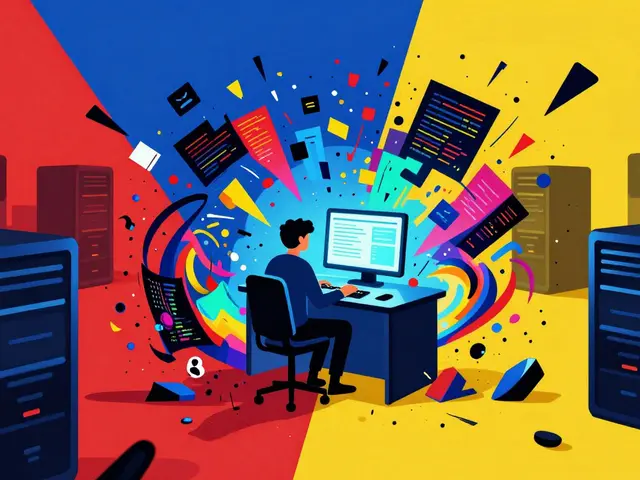
Without proper structure, vibe coding can lead to chaos. Teams might create duplicate functions, insecure code snippets, or incompatible services that break existing systems. An internal marketplace acts as the central nervous system for these AI-generated assets, ensuring they are safe, reusable, and governed. This isn't just about sharing code; it's about creating a scalable infrastructure for enterprise innovation.
The Rise of Vibe Coding in Enterprise Environments
Vibe coding has moved beyond experimental labs into production environments. According to Salesforce, this approach combines agentic AI with enterprise-grade governance to boost developer productivity. It allows users to describe what they want in plain English, and the AI generates functional code, applications, or workflows.
This shift democratizes software creation. Marketing teams build prototypes, support teams create internal tools, and product managers design user interfaces without waiting for engineering resources. However, this freedom comes with risks. When anyone can generate code, you need mechanisms to ensure quality and security.
Cloudflare's VibeSDK exemplifies this trend. It provides an open-source platform for deploying custom vibe coding environments. The SDK integrates with large language models (LLMs) to generate code, debug errors in real-time, and deploy applications on secure sandboxes. This infrastructure supports both internal and external users, enabling isolated development environments for safe testing.
- Agentic AI: Systems that can plan and execute tasks autonomously based on high-level goals.
- Natural Language Prompts: Users describe functionality in everyday language rather than writing syntax.
- Real-Time Debugging: AI identifies and fixes errors during the generation process.
- Secure Sandboxes: Isolated environments prevent risky code from affecting production systems.
Why Internal Marketplaces Are Essential for Governance
When hundreds of employees generate code daily, you cannot rely on manual reviews. An internal marketplace provides automated governance at scale. It serves as a curated library where vibe-coded components are stored, versioned, and approved before distribution.
Consider the alternative: without a marketplace, teams share code via Slack messages, email attachments, or personal GitHub repositories. This leads to "shadow IT"-unauthorized software running outside security controls. A dedicated marketplace ensures every component undergoes standardized checks.
Governance in this context means more than just approval. It involves tracking usage, monitoring performance, and managing dependencies. If a vibe-coded API changes its output format, the marketplace alerts all dependent services. This prevents cascading failures across the organization.
| Method | Governance Level | Security Risk | Reusability |
|---|---|---|---|
| Slack/Email | None | High | Low |
| Personal Repositories | Minimal | Medium | Medium |
| Internal Marketplace | Comprehensive | Low | High |
Key Features of Effective Component Marketplaces
A successful internal marketplace for vibe-coded assets requires specific features tailored to AI-generated content. Unlike traditional software libraries, these platforms must handle dynamic, prompt-based inputs and variable outputs.
First, you need intelligent metadata tagging. Since vibe-coded components often lack standard documentation, the marketplace should automatically extract descriptions, use cases, and technical specifications from the generation process. This makes discovery easier for users searching for specific functionalities.
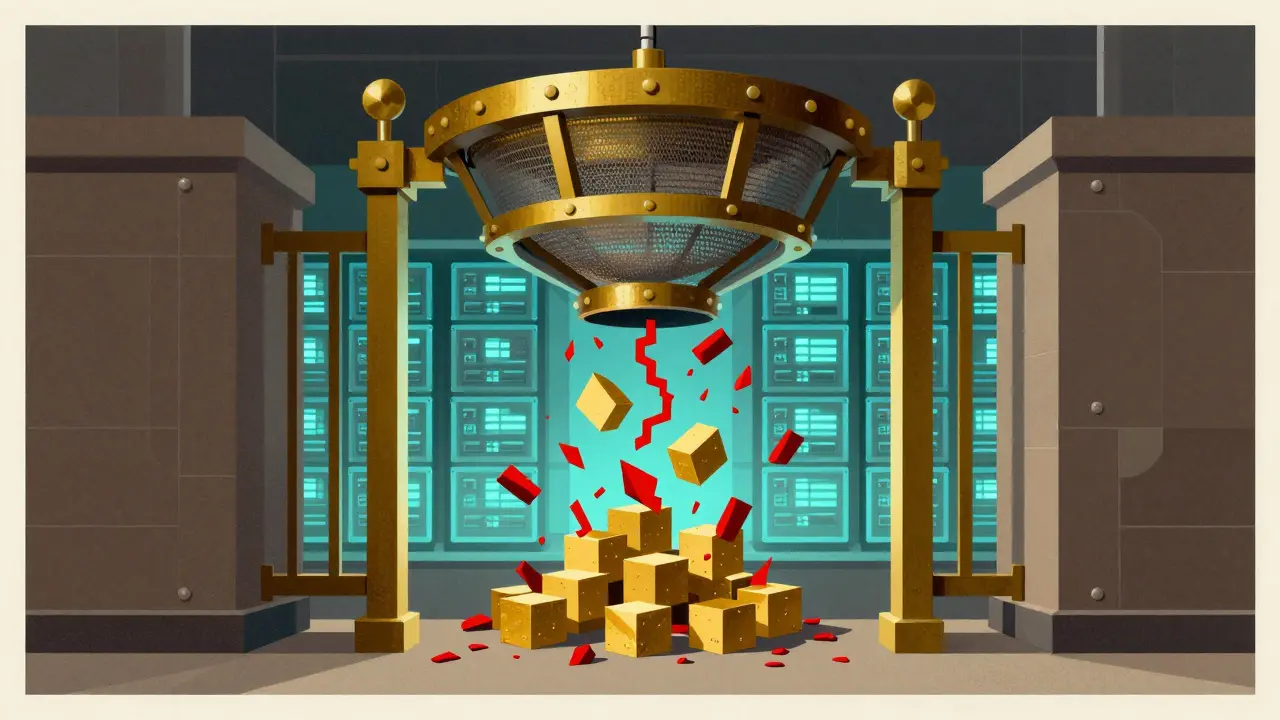
Second, implement automated security scanning. Every uploaded component must pass through static analysis tools that check for vulnerabilities, hardcoded credentials, or policy violations. Tools like Snyk or SonarQube integrate seamlessly into this workflow.
Third, provide usage analytics. Track which components are popular, which ones cause errors, and which teams adopt them most frequently. This data helps prioritize maintenance efforts and identify opportunities for optimization.
- Automated Metadata Extraction: Generate tags and descriptions from AI prompts.
- Security Scanning Integration: Run vulnerability checks before publishing.
- Version Control: Maintain history of all updates and changes.
- Usage Analytics Dashboard: Monitor adoption rates and performance metrics.
- Dependency Mapping: Visualize connections between components.
Implementing Governance Frameworks for AI-Generated Assets
Governance frameworks must adapt to the unique characteristics of vibe coding. Traditional software development follows linear processes with clear ownership. Vibe coding creates decentralized contributions from diverse teams with varying technical expertise.
Start by defining clear policies for acceptable use. Specify which types of applications can be built through vibe coding and which require human oversight. For example, customer-facing payment processors might need mandatory engineering review, while internal dashboards could be self-service.
Establish a tiered approval system. Simple components with low risk can auto-publish after passing automated tests. Complex integrations involving sensitive data require manual review by security teams. This balances speed with safety.
Salesforce's implementation includes a developer community featuring reusable prompts and shared examples. This social layer enhances governance by allowing peer feedback and best practice sharing. Teams learn from each other's successes and mistakes, creating a culture of continuous improvement.
Regular audits ensure compliance. Schedule quarterly reviews of marketplace contents to remove outdated components, update dependencies, and verify security patches. Automated tools flag components approaching end-of-life dates or containing known vulnerabilities.

Challenges in Building and Maintaining These Platforms
Creating an internal marketplace sounds straightforward, but execution presents significant hurdles. The biggest challenge is maintaining quality amidst volume. As adoption grows, the influx of new components can overwhelm curation teams.
Another issue is prompt consistency. Different users phrase requests differently, leading to functionally similar but technically distinct components. Without standardization, you end up with multiple versions of the same functionality, increasing maintenance burden.
Technical debt accumulates quickly when AI-generated code lacks proper documentation. Future developers struggle to understand legacy components created months ago. Investing in automated documentation generation becomes critical.
Cultural resistance also plays a role. Engineering teams may feel threatened by non-technical colleagues building software independently. Addressing this requires change management strategies that emphasize collaboration over competition.
| Challenge | Impact | Solution |
|---|---|---|
| Prompt Inconsistency | Duplicate components | Standardized prompt templates |
| Quality Overload | Curation bottlenecks | Automated testing pipelines |
| Documentation Gaps | Maintenance difficulties | AI-generated docstrings |
| Cultural Resistance | Adoption barriers | Collaborative training programs |
Best Practices for Scaling Your Marketplace
To scale effectively, start small and expand gradually. Begin with pilot departments that have clear needs and manageable complexity. Learn from early adopters before rolling out organization-wide.
Invest heavily in user education. Provide workshops on effective prompting techniques, security awareness, and responsible AI usage. Equip teams with guidelines for evaluating generated code quality.
Build strong integration capabilities. Your marketplace should connect with existing CI/CD pipelines, identity providers, and monitoring systems. Seamless integration reduces friction and encourages adoption.
Foster a community around the platform. Create channels for discussion, showcase success stories, and recognize top contributors. Social proof drives engagement and sustains long-term participation.
Finally, measure outcomes rigorously. Track metrics like time-to-deployment, defect rates, and cost savings. Use this data to refine your approach and demonstrate value to stakeholders.
What exactly is vibe coding?
Vibe coding is an AI-driven development method where users describe desired functionality in natural language, and artificial intelligence generates corresponding code. It combines agentic AI capabilities with enterprise governance to accelerate software creation while maintaining security standards.
Why do companies need internal marketplaces for AI-generated components?
Internal marketplaces provide centralized governance for vibe-coded assets. They ensure security through automated scanning, enable reuse through organized libraries, track usage patterns, and maintain quality standards across distributed teams generating code independently.
How does Cloudflare's VibeSDK support internal marketplaces?
VibeSDK offers infrastructure for deploying custom vibe coding platforms. It provides isolated development environments, real-time debugging capabilities, and secure sandbox deployment options. These features create the foundation needed for safe, scalable component creation within organizations.
What governance challenges arise from widespread vibe coding adoption?
Main challenges include inconsistent prompt quality leading to duplicate components, overwhelming volumes requiring curation, insufficient documentation for maintenance, and cultural resistance from traditional engineering teams. Successful platforms address these through automation, standardization, and change management.
Can non-technical teams safely use vibe coding platforms?
Yes, when properly governed. Secure sandboxes isolate experiments from production systems, automated security scans catch vulnerabilities before deployment, and tiered approval processes ensure appropriate oversight for sensitive applications. Training programs further equip users with necessary skills and awareness.