Content Moderation Laws and Generative AI: Platform Duties and Safe Harbors
By February 2026, digital platforms aren’t just hosting content-they’re managing a flood of AI-generated material that can look, sound, and feel real. The rise of generative AI has turned every photo, video, and voice clip into a potential legal minefield. Platforms like Meta, TikTok, and Midjourney now face clear rules: they must stop harmful AI content before it spreads, label what’s synthetic, and answer for what slips through. But how do they do it without censoring speech? And who’s really responsible when an AI makes a lie that looks like truth?
What Platforms Are Legally Required to Do
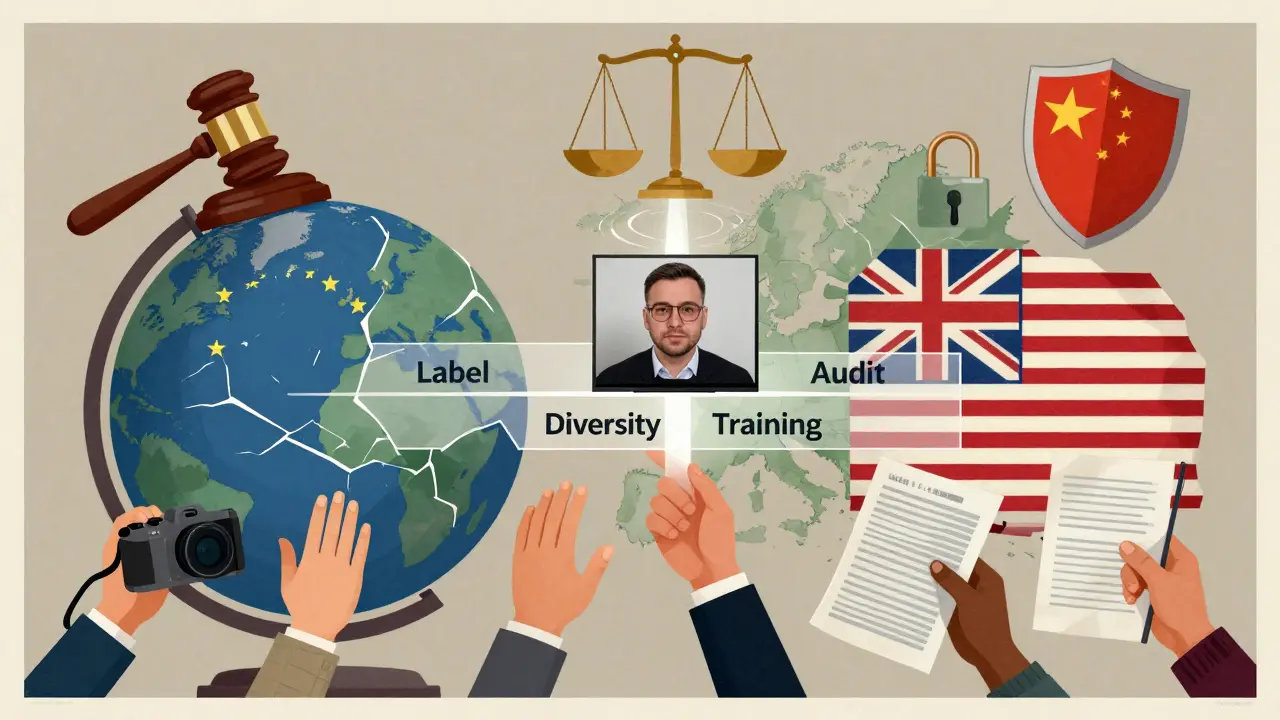
There’s no single global rule, but major regions have laid down hard lines. The EU’s Digital Services Act (DSA), fully in force since February 2024, forces large platforms to act like gatekeepers. They must assess risks from AI systems, especially those that generate content, and take steps to reduce harm. This isn’t optional. If a platform doesn’t have a plan to detect deepfakes or AI-generated hate speech, it can be fined up to 6% of its global revenue.
The UK’s Online Safety Bill, enforced at the end of 2023, takes a similar approach. It says platforms must protect users from illegal content-no matter if it’s posted by a human or created by an AI. If a platform allows AI-generated child exploitation imagery to stay up, it’s breaking the law. Same goes for content that incites violence or fraud.
In the U.S., the TAKE IT DOWN Act of 2025 made it illegal to distribute non-consensual intimate imagery-even if it’s AI-generated. Platforms must now offer a fast, simple way for users to request removal of this content. Failure means legal liability. Canada’s Bill C-63 went even further, explicitly naming deepfake images as a form of intimate image abuse. That means platforms must treat AI-generated nudes the same way they treat real ones: remove them, block accounts, and report to authorities.
China’s rules are the strictest. Generative AI providers must block any output that’s illegal, misleading, or harmful. They can’t train their models on unlicensed data. Every AI-generated image or video must carry a watermark or metadata tag. No exceptions. If a user asks for a fake video of a politician making a racist speech, the system just says no.
How Platforms Are Actually Moderating AI Content
Platforms aren’t just reacting to laws-they’re building new systems to handle AI content at scale. The old way-relying on human moderators to scroll through millions of posts-is dead. Too slow. Too expensive. Too error-prone.
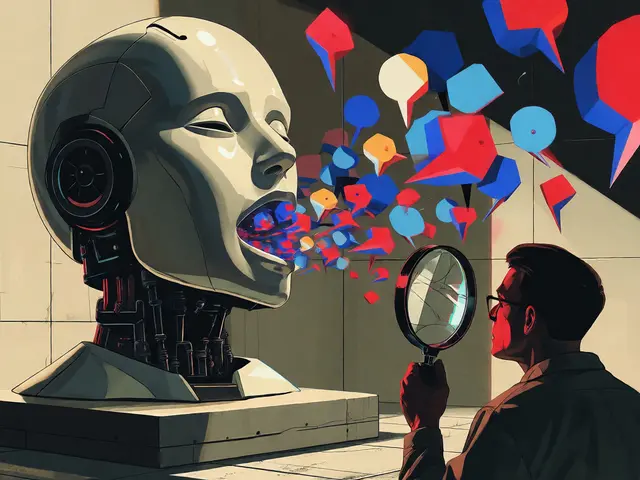
Now, nearly every major platform uses what experts call a hybrid moderation model. AI does the first pass. It scans text, images, audio, and video together-this is called multimodal analysis. It flags anything that looks suspicious: a face that doesn’t quite match the body, a voice that stutters unnaturally, a background that glitches in a way only AI can mess up.
Then, humans step in. Not to review every post. But to review the tough ones. The borderline cases. The ones where context matters. Is that AI-generated video of a protest real? Or is it a manipulated clip meant to incite violence? Only a human moderator, trained in cultural context and political nuance, can tell.
TikTok’s approach is strict. If an AI-generated video impersonates a public figure during a crisis-say, pretending a mayor declared a lockdown that never happened-it’s removed immediately. No warning. No second chance. The platform uses AI to detect these impersonations and human reviewers to confirm them. Repeat offenders get banned.
Meta, on the other hand, lets labeled AI content stay up. If you post a deepfake of yourself singing a song, and it’s clearly marked as AI-generated, it stays. But if that same video shows someone doing something illegal-like threatening violence or sharing non-consensual imagery-it’s gone. Meta’s rule: transparency first, removal only if it breaks existing rules.
Midjourney blocks certain prompts outright. If you type “generate a photo of a U.S. president in a compromising situation,” the system won’t even try. It’s trained to refuse. Users can still report outputs, and Midjourney’s team reviews flagged content. Accounts that repeatedly violate rules get suspended.
The Safe Harbor Problem
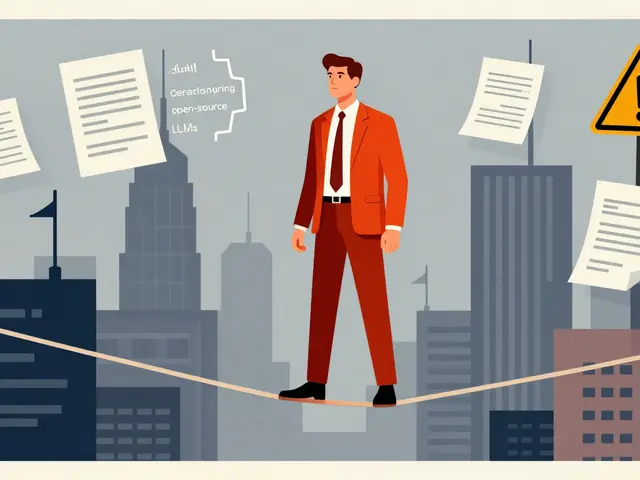
Here’s the big question: Are platforms still protected from liability? In the U.S., Section 230 of the Communications Decency Act has long shielded platforms from legal responsibility for what users post. But generative AI changes everything.
Section 230 was written in 1996, when the worst online content was a spammy forum post. Today, AI can generate a fake video of a child in danger, or a fake audio clip of a CEO saying a company is bankrupt. If a platform doesn’t stop that, is it just a host-or is it a creator?
Lawmakers are split. Some argue Section 230 should be rewritten to exclude AI-generated content. Others say existing laws-like those against fraud, defamation, or non-consensual imagery-already cover it. Courts are starting to test this. In 2025, a lawsuit against a social media platform for hosting AI-generated defamation was allowed to proceed, setting a precedent that platforms can’t hide behind Section 230 if they fail to moderate AI content.
As a result, many platforms are forming alliances. The Coalition for Content Provenance and Authenticity (C2PA) now includes Google, Meta, Microsoft, and TikTok. They’re building shared standards for tagging AI content. If every platform uses the same watermark system, it’s easier to detect, track, and remove harmful material. It’s not a law-but it’s becoming a legal shield.
Transparency and Accountability
Regulators now demand more than just action-they want proof. Platforms must publish transparency reports showing how many AI-generated posts they removed, how many were flagged by users, and how many were misclassified. These reports aren’t just for show. In the EU and UK, they’re legally required.
Platforms are also required to do risk assessments. What happens if their AI moderation system fails? What if it blocks content from minority groups because it doesn’t understand their cultural context? These aren’t hypotheticals. Studies show AI moderation systems are 30% more likely to flag content from non-English speakers or people of color.
To fix this, companies are now hiring ethics teams. Not just engineers. Not just lawyers. People who understand bias, culture, and human rights. They audit training data. They test moderation models across different languages and regions. They push back when engineers say, “The AI just flagged it.”
Some platforms even let users see why a post was removed. “This image was flagged because it contains AI-generated elements and matches a known pattern of impersonation,” says a new notification system on Instagram. That kind of clarity builds trust.
The Real Challenge: Deepfakes and Hyperrealism
As of 2026, AI-generated video is so good that even experts can’t always tell what’s real. A recent test by MIT showed that 42% of viewers couldn’t distinguish between a real video of a politician speaking and a deepfake made with open-source tools. That’s not a glitch. It’s the new normal.
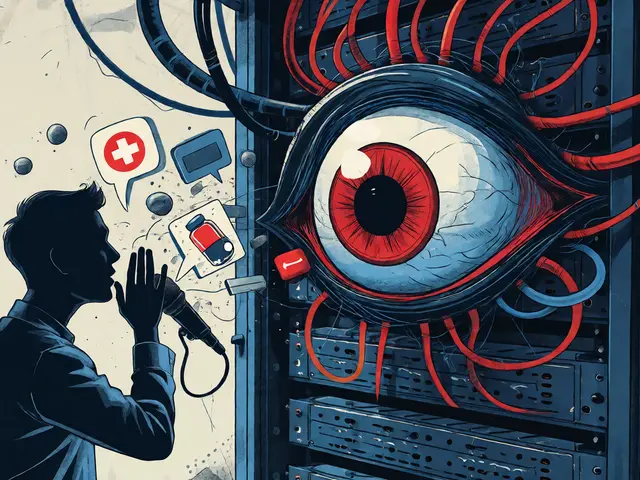
Platforms are racing to keep up. C2PA’s watermarking system helps-but it’s not foolproof. A skilled user can remove a watermark. Or use a model that doesn’t support it. That’s why platforms are now using content provenance tools. These track the entire history of a file: where it was made, what model generated it, what edits were made, and whether it was altered after upload.
Blockchain isn’t the answer, despite what you’ve heard. It’s too slow. Too expensive. But metadata chains-simple, lightweight logs tied to each file-are working. TikTok now embeds a unique identifier in every AI-generated video. If someone downloads it and reposts it elsewhere, the identifier stays. That lets platforms trace the origin-even if the video is shared outside their app.
What Comes Next
The next five years will be about balance. Too much moderation, and you kill creativity. Too little, and you let harm spread. Platforms can’t afford to wait for perfect laws. They have to build systems that work now.
That means three things:
- Label everything. If it’s AI-generated, users need to know. No hidden watermarks. No sneaky metadata.
- Train AI on diversity. Moderation systems must be tested across cultures, languages, and identities-or they’ll fail.
- Prepare for legal risk. Section 230 won’t save you forever. If you don’t act, you’ll be held accountable.
Regulators aren’t trying to shut down AI. They’re trying to make sure it doesn’t destroy trust. And platforms that get this right-by being transparent, fair, and proactive-won’t just avoid fines. They’ll earn loyalty.
Do platforms have to remove all AI-generated content?
No. Platforms don’t have to remove all AI-generated content. They’re required to remove content that breaks existing laws-like deepfakes of non-consensual intimate imagery, impersonation of public figures during emergencies, or AI-generated hate speech. Labeled, harmless AI content, like a fake image of a person singing, is often allowed if it’s clearly marked.
Can I use AI to generate content on social media?
Yes, but with rules. Most platforms allow AI-generated content if it’s labeled, doesn’t impersonate others, doesn’t spread misinformation, and doesn’t violate community standards. For example, you can post an AI-generated portrait of yourself-but not one that looks like a real person doing something illegal. Always check the platform’s specific rules before posting.
What happens if my AI-generated post gets removed?
You’ll usually get a notice explaining why. Common reasons include: lack of disclosure, impersonation, harmful misinformation, or violation of intellectual property. You can often appeal the decision. If you believe it was a mistake, most platforms have a review process where human moderators re-examine the content.
Are AI moderation systems biased?
Yes, studies show they are. AI systems trained on Western data are more likely to flag content from non-English speakers or minority cultures as harmful. Leading platforms now run regular bias audits and use diverse datasets to train moderation models. Human reviewers also step in to catch errors that AI misses.
Will Section 230 protect me if I host AI-generated content?
Maybe not anymore. Section 230 was designed for user posts, not AI-generated content. Courts are starting to rule that platforms can be held liable if they fail to moderate harmful AI content. The law is changing. Platforms that ignore AI risks are taking legal chances.

Let’s be real - we’re not just dealing with deepfakes anymore. We’re dealing with a world where truth is optional and perception is currency. The EU and Canada aren’t overreaching - they’re recognizing that AI doesn’t care about consent, dignity, or democracy. If a platform lets a fake video of a politician inciting violence slide because ‘it’s just art,’ then they’re not a platform - they’re an accomplice. The watermarking systems? A start. But if we’re still relying on users to report abuse, we’ve already lost.
And let’s not pretend Section 230 is sacred. It was written when the biggest threat was a guy spamming forums with ‘Lose weight fast!’ ads. Now it’s a child’s face on a pornographic body, generated in seconds. That’s not user content. That’s a manufactured crime. Platforms have to be held accountable - not because they’re evil, but because they’re powerful enough to stop it and choose not to.
Transparency reports? Good. But they’re useless if no one audits them. Who’s checking if the AI that flagged a Muslim woman’s hijab as ‘suspicious’ was trained on data from 90% white, male, American moderators? Not enough. We need independent oversight, not corporate PR.
And yes - I’m angry. Because while tech bros debate ‘free speech,’ real people are being doxxed, threatened, and traumatized by AI that costs $0.02 to generate. This isn’t philosophy. It’s survival.
Ugh. Another 3000-word essay on ‘AI moderation.’ Can we just agree that no one actually reads this stuff? I scrolled past the whole thing. All I got was ‘label it’ and ‘remove it’ and ‘oh but wait, what if it’s art?’
Look. If I post a photo of my cat wearing sunglasses made with Midjourney? Cool. Label it. Done.
If someone uses AI to make a fake video of my neighbor yelling racist slurs? Delete it. Sue them. End of story.
Why does every article need 17 subheadings to say ‘don’t be a jerk’? Just say it. Simple. Done. I’m tired of being talked down to like I’m 12.
Honestly? I get both sides.
On one hand, yeah - AI deepfakes are terrifying. I saw one last month of a guy I know pretending to confess to a crime he didn’t do. It looked 100% real. My stomach dropped.
On the other hand, I’ve seen AI-generated art that’s beautiful. Poetry, music, even protest art that helped people feel seen. If we ban all of it because some people abuse it, we’re throwing out the baby with the bathwater.
Maybe the answer isn’t more rules. Maybe it’s better education. Teach people how to spot fakes. Teach them to ask: ‘Who made this? Why? What’s the cost?’
Platforms should help with that. Not just delete. Help us understand.
Canada and the EU are acting like they’re running a socialist utopia. Meanwhile, real people in the real world - the ones who actually work - are being crushed under bureaucracy. Who cares if an AI-generated video of a politician says something dumb? It’s just words. Let people decide what’s true. That’s what freedom is.
And don’t get me started on ‘watermarks.’ You think some guy in Manila is going to care if his AI-generated meme has a tiny invisible tag? Nah. They’re gonna repost it anyway. This is all performative. A distraction from real problems - like inflation, crime, and bad healthcare.
Stop pretending tech regulation = safety. It’s just control dressed up as protection.
So like… we’re supposed to label every single AI thing now? What if I make a pic of me as a dragon? Do I gotta put ‘AI-generated dragon’ in the caption? Jesus. This is why I quit social media.
Also Section 230 is fine. If you can’t handle a fake video of your ex crying, maybe don’t post it in the first place? I’m not babysitting your emotional life.
Also who wrote this article? It’s like they got paid by the word. I counted 12 ‘therefores.’
Just wanted to say - the part about bias in AI moderation is critical. I’ve had posts flagged because I use non-standard punctuation - like em dashes - and the system thought it was ‘suspicious.’ It’s not about the content. It’s about the form. And that’s dangerous.
Also, the C2PA standard? Good idea. But if only big platforms use it, then small creators get left behind. We need open-source, interoperable tools. Not corporate walled gardens pretending to be public goods.
Let’s cut the pretense: no one actually wants ‘balance.’ What they want is control. The EU wants to own your digital identity. The U.S. wants to outsource its moral panic to Silicon Valley. And China? They just want silence.
The real issue isn’t AI. It’s that we’ve outsourced truth to algorithms written by engineers who’ve never met someone from a rural village in Ireland or Saskatchewan. We’re not moderating content - we’re moderating culture.
And we’re doing it badly. Because if your AI flags a protest chant in Gaelic as ‘hate speech’ because it doesn’t recognize the cadence - that’s not safety. That’s colonialism with a neural network.
Stop pretending this is about law. It’s about power. And the people who wrote this article? They’re part of the machine.
It is, of course, necessary to recognize that Section 230 was never intended to be a perpetual shield against liability for algorithmically amplified content - particularly when the platform’s own models are generating, curating, or optimizing for virality. The jurisprudential evolution is not merely plausible - it is inevitable. Courts are beginning to distinguish between passive hosting and active curation - and AI-generated content, by its very nature, is curated by design. Therefore, the legal fiction that platforms are ‘neutral intermediaries’ is untenable in the context of generative AI systems that are trained, fine-tuned, and deployed by corporate entities with profit motives. This is not an overreach - it is a correction of a fundamental misalignment between 1996 statutory language and 2026 technological reality.
Okay I just had to reply to that last comment because I’m literally shaking - THIS IS SO IMPORTANT. I’ve been researching this for months and you’re 100% right. It’s not about ‘free speech’ - it’s about accountability. I work with survivors of deepfake abuse. They don’t need more ‘transparency reports.’ They need justice. They need platforms to be legally liable when their AI systems allow a video of a 14-year-old to be turned into porn and go viral for 72 hours before anyone notices.
And yes - Section 230 is dead. It’s not a question of ‘if’ - it’s ‘when.’ And the people who say ‘but innovation!’ - where were you when the first child was traumatized? Where were you when the first election was manipulated by a fake audio clip? We’re not asking for perfection. We’re asking for responsibility.
And if you’re still arguing about ‘censorship’ - go read the stories from Nigeria, India, and Brazil. AI isn’t just making lies - it’s making violence. And we’re not going to sit quietly while tech companies hide behind 28-year-old laws.