Vibe Coding Myths and Facts: Separating Hype from Reality
Have you ever watched someone build a working app by just talking to an AI? It looks like magic. One minute there is nothing, and the next, a flashcard app with animations and data storage is running on your screen. This phenomenon has a name now: vibe coding. Since Andrej Karpathy coined the term in February 2025, it has exploded across tech Twitter and LinkedIn feeds. Some people claim it will replace professional developers overnight. Others dismiss it as a lazy shortcut for people who don’t want to learn syntax.
The truth is much more nuanced than either extreme suggests. Vibe coding is not a replacement for engineering rigor, nor is it a parlor trick. It is a fundamental shift in how we interact with software creation. To understand whether this trend is here to stay or just another passing hype cycle, we need to separate the marketing fluff from the practical reality. Let’s look at what vibe coding actually is, where it fails, and why your technical skills matter more than ever.
What Is Vibe Coding?
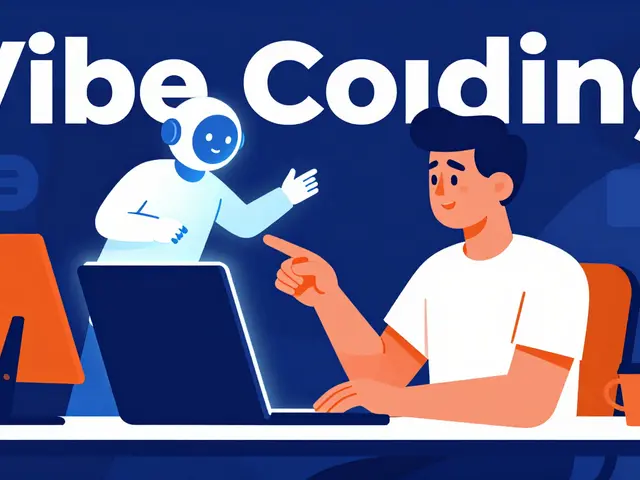
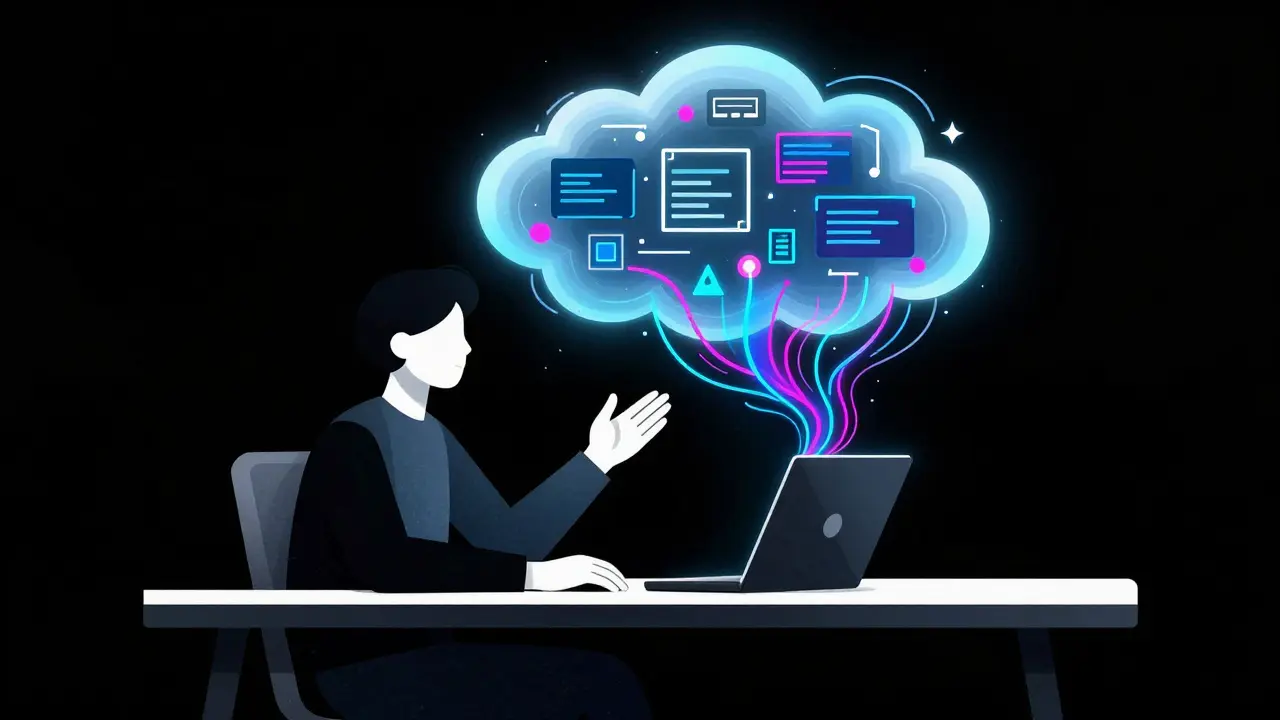
To get the facts straight, we first need a clear definition. Vibe coding is the practice of building software by conversing with AI coding agents rather than writing every line of code yourself. You describe what you want in plain English, watch the code materialize, run it, and iterate based on the results.
Andrej Karpathy, the former head of AI at Tesla and a well-known figure in the machine learning community, defined it simply: "There's a new kind of coding I call 'vibe coding', where you fully give in to the vibes, embrace exponentials, and forget that the code even exists." He explained further that it involves seeing stuff, saying stuff, running stuff, and copy-pasting stuff until it mostly works.
This approach shifts the developer’s focus from the underlying syntax to the running system. Instead of debugging a missing semicolon, you are debugging the logic of the application itself. Red Hat Developer describes it as democratizing software creation, allowing product managers, designers, and domain experts to turn business needs directly into working applications. The goal is not to write perfect code but to deliver value quickly.
Who invented the term vibe coding?
Andrej Karpathy coined the term "vibe coding" in February 2025 to describe the emerging practice of using natural language prompts to iteratively guide AI coding agents.
Myth 1: Vibe Coding Is Lazy Programming
One of the most persistent criticisms of vibe coding is that it represents "lazy programming." Critics argue that if you aren’t typing out the code, you aren’t really developing. This view fundamentally misunderstands the purpose of software projects.
Software development is not about writing code; it is about solving business problems. Code is merely the automated representation of those solutions. If you can achieve the same result faster and with less friction, is that laziness? Or is it efficiency? Consider the history of development tools. When high-level languages like Python replaced Assembly, some purists called it lazy. When frameworks like Django abstracted away boilerplate, others complained. Each time, the industry moved toward higher levels of abstraction because humans are better at thinking in concepts than in memory addresses.
Vibe coding extends this automation. It allows developers to focus on work that genuinely requires human insight-understanding user needs, designing workflows, and validating outcomes-rather than spending hours on repetitive syntax. The myth of laziness ignores the cognitive load involved in guiding an AI effectively. You still need to think clearly, structure your requests, and evaluate the output. That is not lazy; it is strategic.
Myth 2: AI Will Replace Skilled Developers
If you scroll through social media, you might believe that skilled developers are obsolete. The narrative goes: "Why hire a senior engineer when an AI can write code in seconds?" This is a dangerous oversimplification.
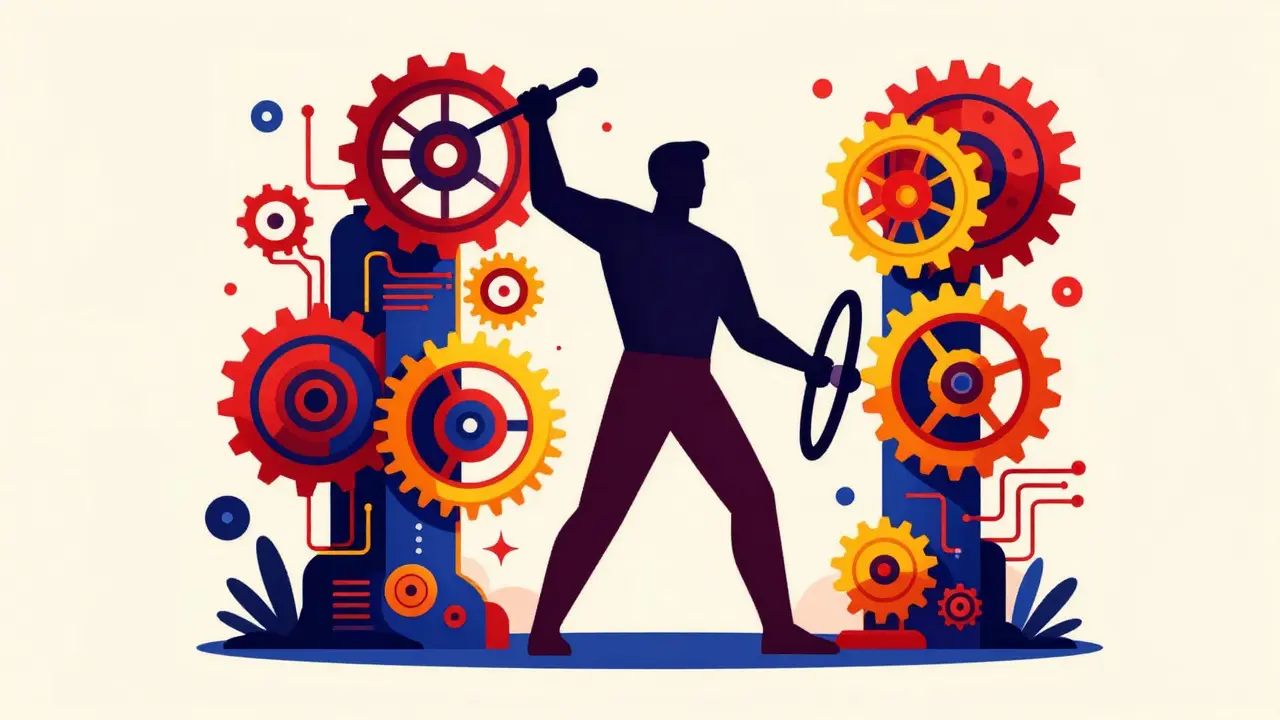
In reality, vibe coding does not replace skilled developers; it elevates their roles. AI tools function as force multipliers, not replacements. A study of early adopters shows that developers who use AI coding agents become significantly more productive, but only if they have strong foundational knowledge. Without that knowledge, they cannot validate the AI’s output, optimize performance, or debug complex issues.
Consider the example of a Network Monitor project built using vibe coding. An AI helped generate the initial interface quickly. However, the developer’s deep understanding of Rust, GTK4, and system programming allowed them to migrate the core logic from Python to Rust for significant performance gains. The AI provided the speed, but the human provided the expertise. Vibe coding democratizes development by allowing non-coders to participate, but it makes experienced engineers more valuable, not less. They become architects and validators rather than typists.
Where Vibe Coding Excels
Vibe coding is not a silver bullet for every software challenge. It shines in specific scenarios where speed and iteration matter more than long-term maintainability. Here are the areas where it delivers the most value:
- Quick Prototypes: You can go from idea to working code in minutes. Need to test a UI concept? Prompt the AI, see it run, and tweak it immediately.
- Flashcard Apps and Simple Tools: One developer built a functional flashcard app with editable cards, flip animations, and persistent storage using only natural language prompts. These small, self-contained apps are ideal for vibe coding.
- Landing Pages: Marketing teams often need simple, responsive pages fast. Vibe coding allows them to create these without waiting for a dev queue.
- MVP Development: Founders can build minimum viable products (MVPs) to test market fit before committing to full-scale engineering resources. One founder reported creating five concepts and three MVPs in just a few months.
The key takeaway is scope. Vibe coding excels at the unit level-small, isolated components that can be tested and validated quickly. It is less effective for large, interconnected systems where dependencies and architecture require careful planning.
The Limitations: Avoiding the Whack-a-Mole Trap
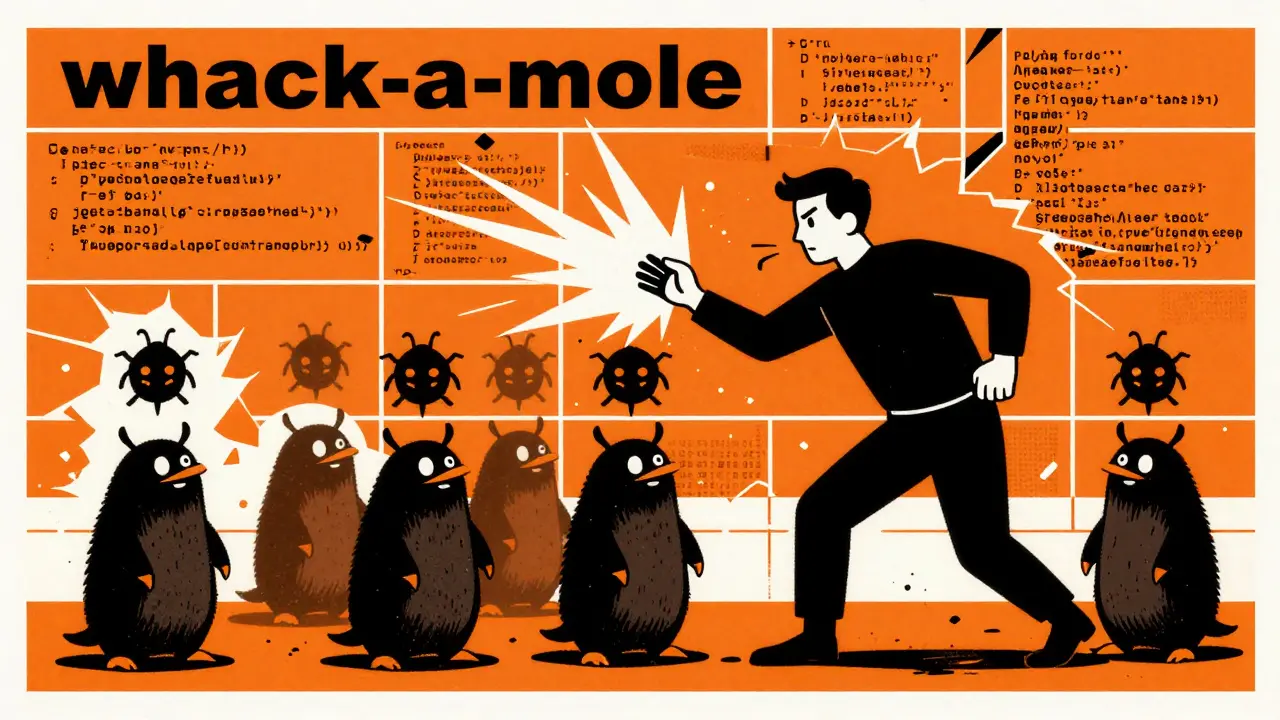
For all its benefits, vibe coding has defined limitations. The biggest risk is the "whack-a-mole trap." This happens when you fix one bug with a prompt, only to break three other parts of the system. Because the AI generates code without a holistic understanding of your entire codebase, each piece must be verified in isolation before joining the larger system.
Red Hat Developer notes that vibe coding belongs at the unit level. For larger scope work, specifications are necessary. You cannot vibe-code an enterprise resource planning (ERP) system from scratch. You need rigorous testing practices, clear specifications for components beyond the unit level, and a solid architectural foundation.
Another limitation is the loss of explicit documentation. When you vibe code, instructions become obsolete the moment code is generated. The code itself becomes the only source of truth for system behavior. If you do not document your decisions and architecture separately, future maintenance becomes a nightmare. You might remember why you asked for a feature, but six months later, the code may not reflect that intent clearly.
Tools of the Trade: What Works Best?
Not all AI coding tools are created equal. As of mid-2026, several platforms dominate the vibe coding landscape. According to the Gosu benchmark, Claude Code currently appears to be the best option for vibe coding due to its ability to handle complex reasoning and maintain context over longer conversations. However, alternatives like GitHub Copilot Workspace and Cursor are not far behind.
| Tool | Best For | Key Strength | Limitation |
|---|---|---|---|
| Claude Code | Complex logic & reasoning | High accuracy in generating correct algorithms | Higher cost per token |
| GitHub Copilot Workspace | Integration with existing repos | Seamless Git workflow integration | Less flexible for greenfield projects |
| Cursor | Full-stack web apps | Excellent IDE experience with AI chat | Can struggle with very large codebases |
The tool matters less than your skill. Critical to success is human developer technical knowledge rather than the AI tool itself. Technical knowledge determines effectiveness in three areas: guiding the AI with precise terminology, validating output for correctness and efficiency, and optimizing solutions based on domain understanding.
How to Succeed With Vibe Coding
If you want to adopt vibe coding without falling into common pitfalls, follow these practical steps:
- Start Small: Begin with unit-level tasks. Build a single component, such as a login form or a data visualization chart, before attempting a full application.
- Write Tests First: Even if you don’t write the code, define the expected behavior. Use the AI to generate both the code and the unit tests. This ensures you have a safety net against regressions.
- Validate Output: Never trust the AI blindly. Review the generated code for security vulnerabilities, performance issues, and logical errors. Your job is to be the quality assurance gatekeeper.
- Document Decisions: Keep a separate document explaining why certain architectural choices were made. Since the code is the source of truth, your notes provide the context that the code lacks.
- Combine With Rigorous Practices: Use vibe coding for generation, but rely on traditional CI/CD pipelines, code reviews, and version control for management.
The actual magic in vibe coding lies in knowing exactly what you want and expressing it clearly enough that even AI cannot misinterpret it. This requires clarity of thought, which is a skill that takes years to develop.
The Future of Software Creation
Vibe coding represents a fundamental shift in software creation philosophy. Businesses are prioritizing value delivery over code quality. This does not mean code quality doesn’t matter; it means that the barrier to entry for creating software has lowered dramatically. Product managers can prototype ideas themselves. Designers can build interactive mockups. Domain experts can automate their own workflows.
However, this democratization does not eliminate the need for engineering excellence. Large-scale systems still require robust architecture, security auditing, and performance optimization. Vibe coding is a tool in the toolbox, not a replacement for the builder. It allows broader professional participation in application building, but success requires maintaining technical foundations and domain expertise.
As we move further into 2026, the distinction between "coder" and "user" will blur. But the role of the engineer will evolve, not disappear. Those who learn to wield AI as a force multiplier will thrive. Those who treat it as a crutch will find themselves stuck in the whack-a-mole trap.
Is vibe coding suitable for enterprise applications?
Vibe coding is generally not suitable for building entire enterprise applications from scratch due to complexity and integration risks. However, it is highly effective for individual components, microservices, or prototyping within an enterprise context, provided rigorous testing and architectural oversight are maintained.
Do I need to know how to code to use vibe coding?
While you can start without deep coding knowledge, having a foundational understanding of programming concepts significantly improves results. Knowing how to read code helps you validate AI output, debug issues, and optimize performance, making you a more effective vibe coder.
What is the "whack-a-mole trap" in vibe coding?
The "whack-a-mole trap" refers to the problem where fixing one issue with an AI prompt inadvertently breaks other parts of the system. This happens because the AI lacks a holistic view of the entire codebase, leading to isolated fixes that create new bugs elsewhere.
Which AI tool is best for vibe coding in 2026?
According to recent benchmarks like Gosu, Claude Code is currently considered the top choice for vibe coding due to its strong reasoning capabilities. However, tools like GitHub Copilot Workspace and Cursor are also highly competitive depending on your specific workflow and stack.
Will vibe coding replace software engineers?
No, vibe coding will not replace software engineers. Instead, it changes their role from writing boilerplate code to architecting solutions, validating AI output, and focusing on complex problem-solving. Engineers with strong technical foundations become more valuable as they leverage AI to accelerate development.