How to Build a Domain-Aware LLM: The Right Pretraining Corpus Composition
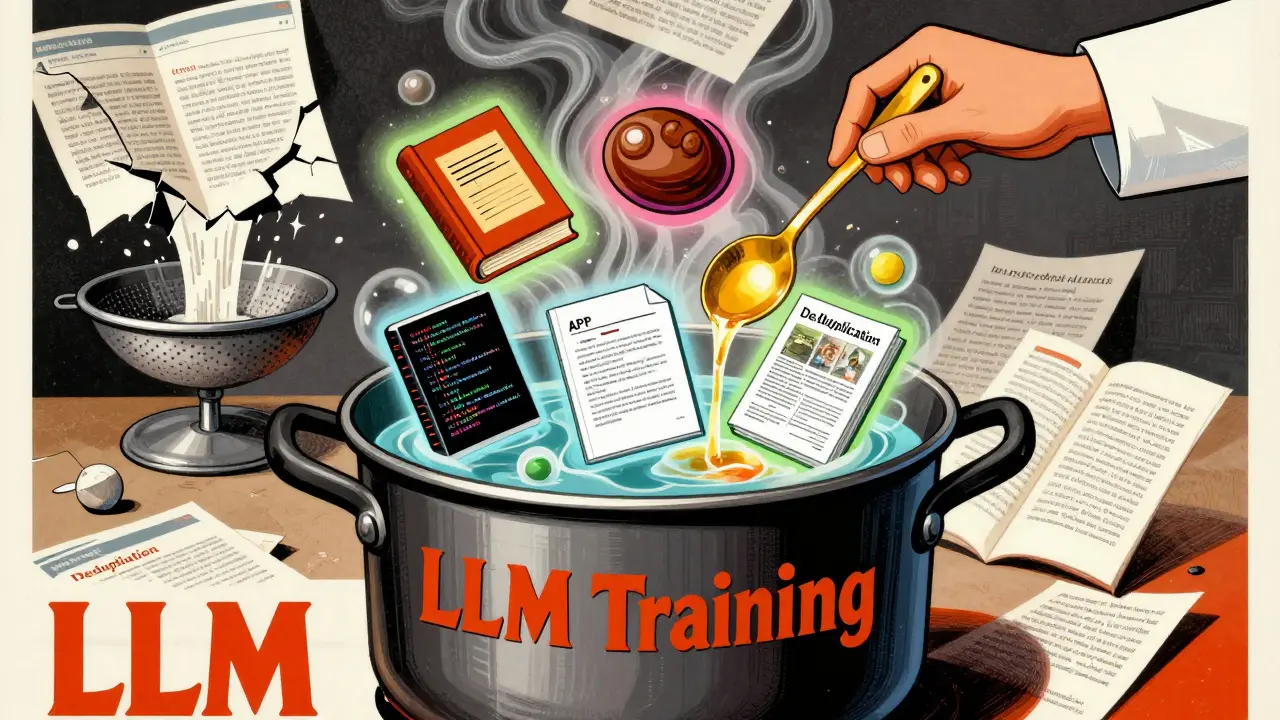
Pretraining corpus composition is the key to building domain-aware LLMs that outperform general models. Learn how data selection, ratios, and cleaning techniques create smarter, cheaper AI systems for legal, medical, and technical tasks.
Code Generation with Large Language Models: Capabilities, Risks, and Security
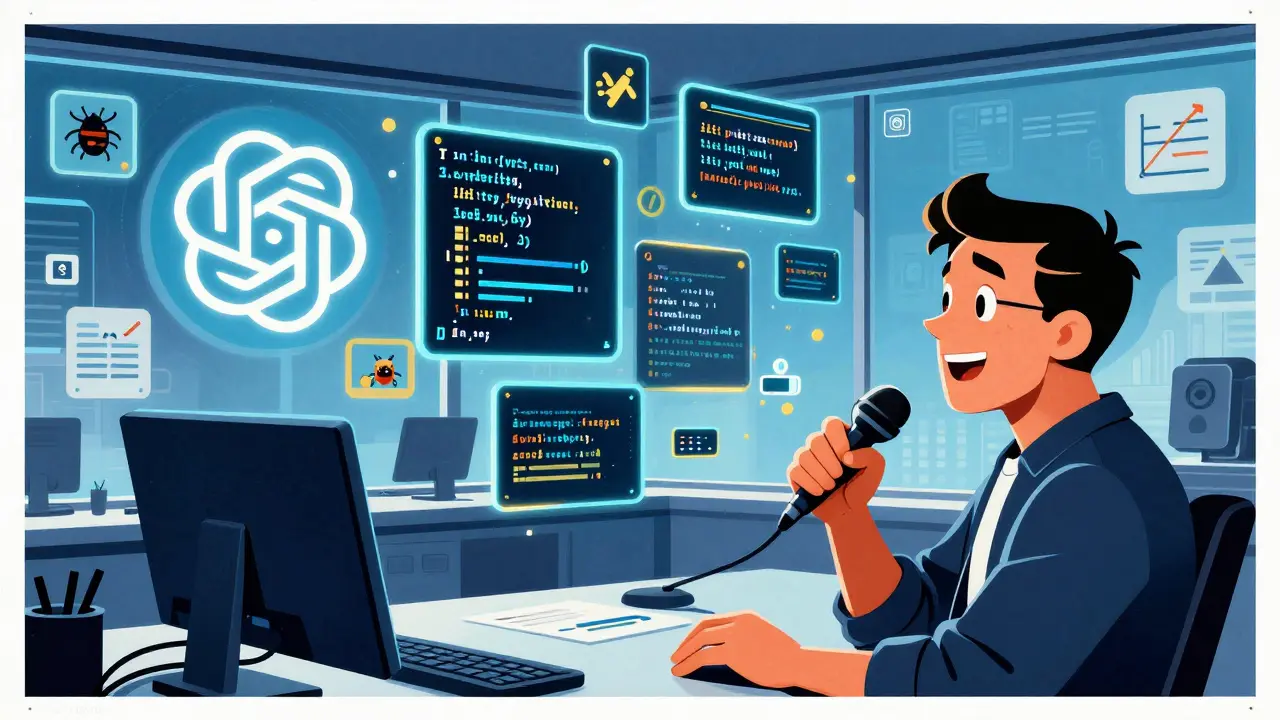
Large language models are transforming how code is written, offering unprecedented automation-but also introducing new security risks. Learn what these models can do, which ones lead in 2026, and how to protect your codebase.
Self-Supervised Learning in NLP: How Large Language Models Learn Without Labels
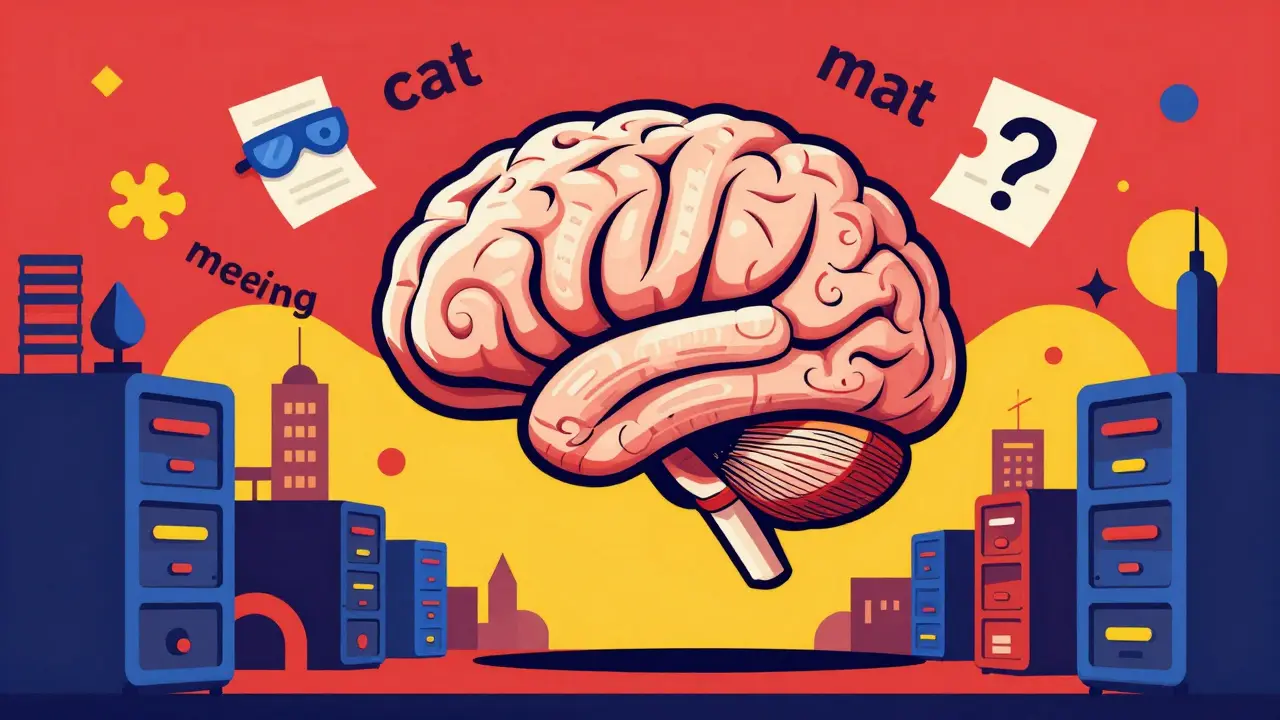
Self-supervised learning lets AI models learn language by predicting missing words in text - no human labels needed. This technique powers GPT, BERT, and all modern large language models.
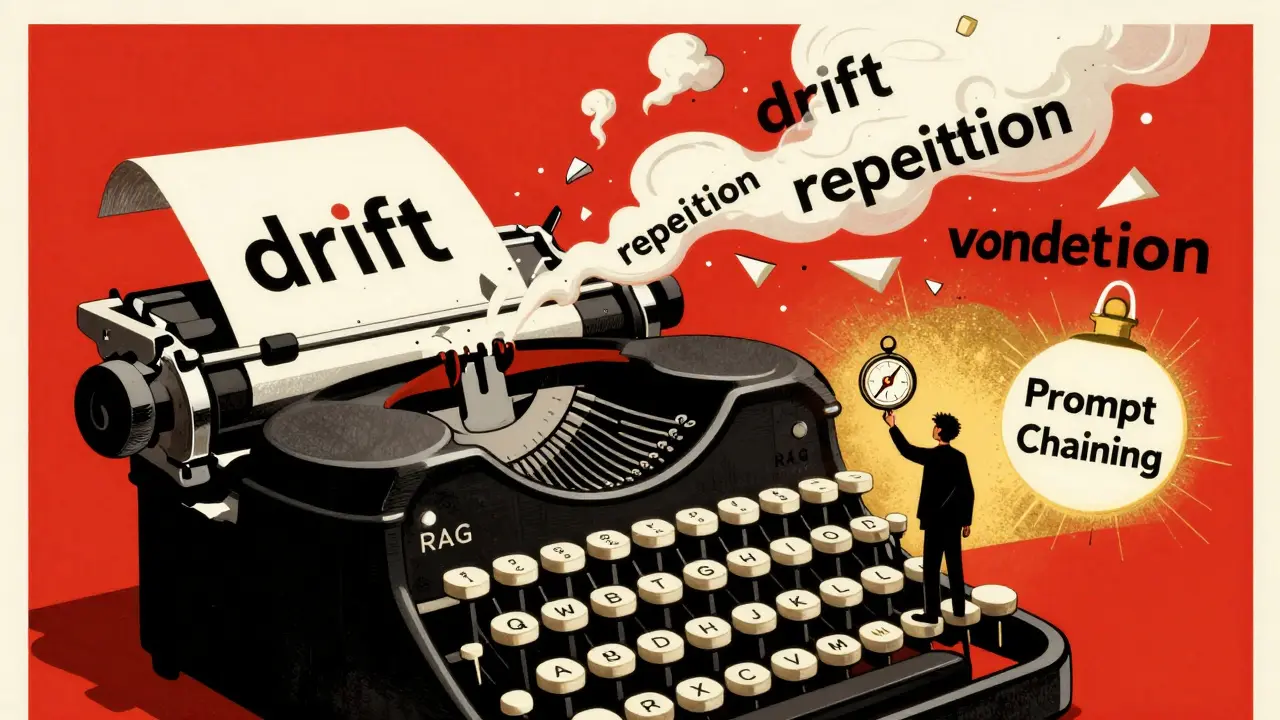
How to Generate Long-Form Content with LLMs Without Drift or Repetition
Learn how to use large language models to generate long-form content without drift or repetition. Discover practical techniques like RAG, temperature tuning, and chunked generation that actually work.
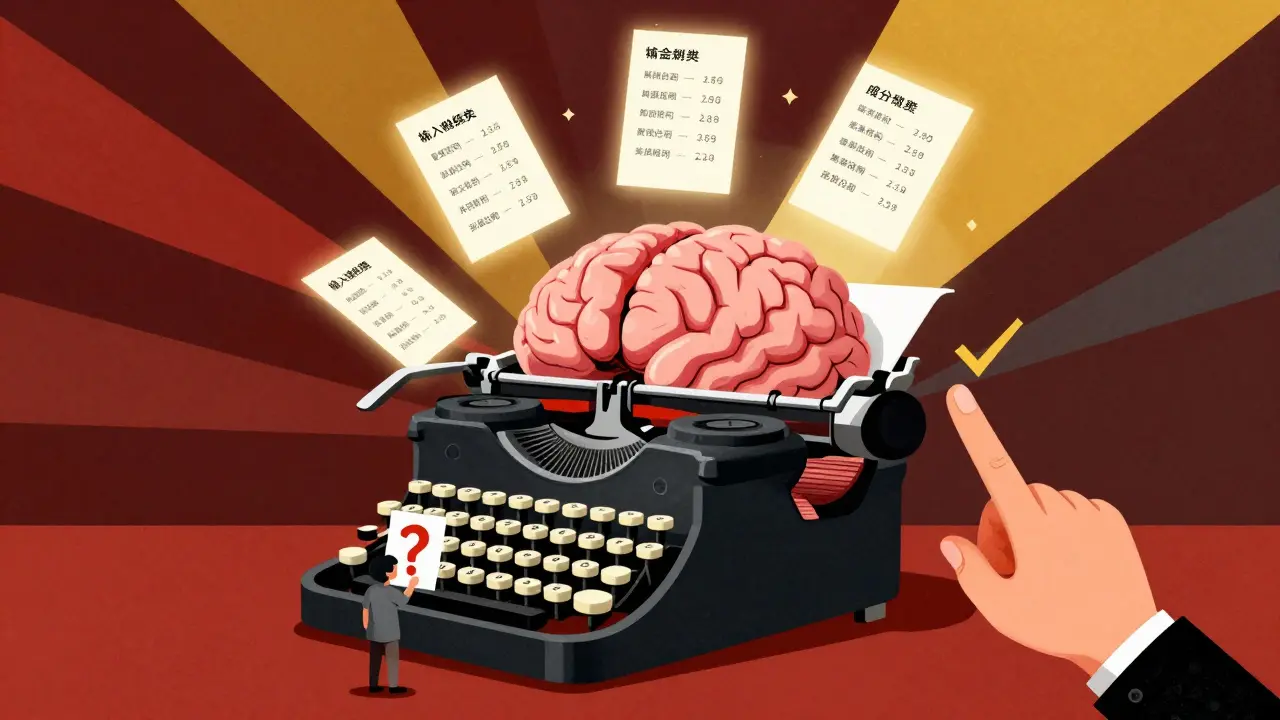
Few-Shot Prompting Patterns That Improve Accuracy in Large Language Models
Few-shot prompting improves large language model accuracy by 15-40% using just 2-8 examples. Learn the top patterns, when to use them, and how they outperform zero-shot and fine-tuning in real-world applications.
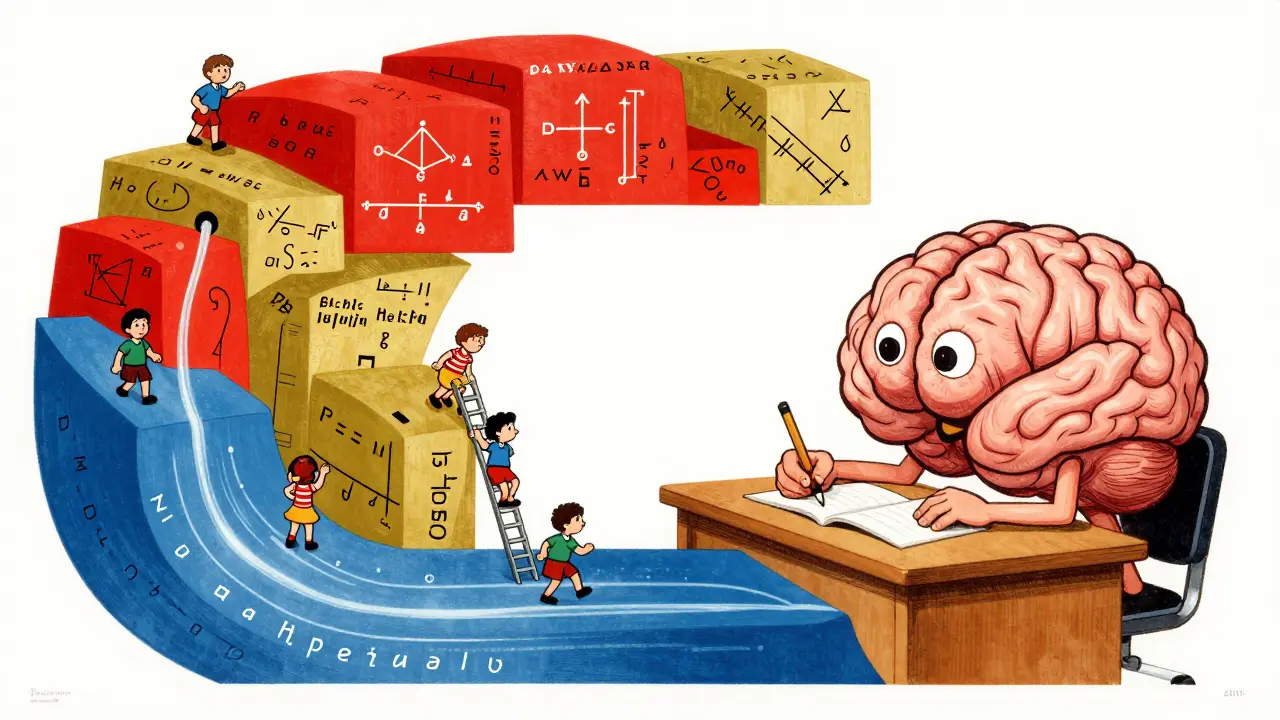
How Curriculum and Data Mixtures Speed Up Large Language Model Scaling
Curriculum learning and smart data mixtures are accelerating LLM scaling by boosting performance without larger models. Learn how data ordering, complexity grading, and freshness improve efficiency, reduce costs, and outperform random training.
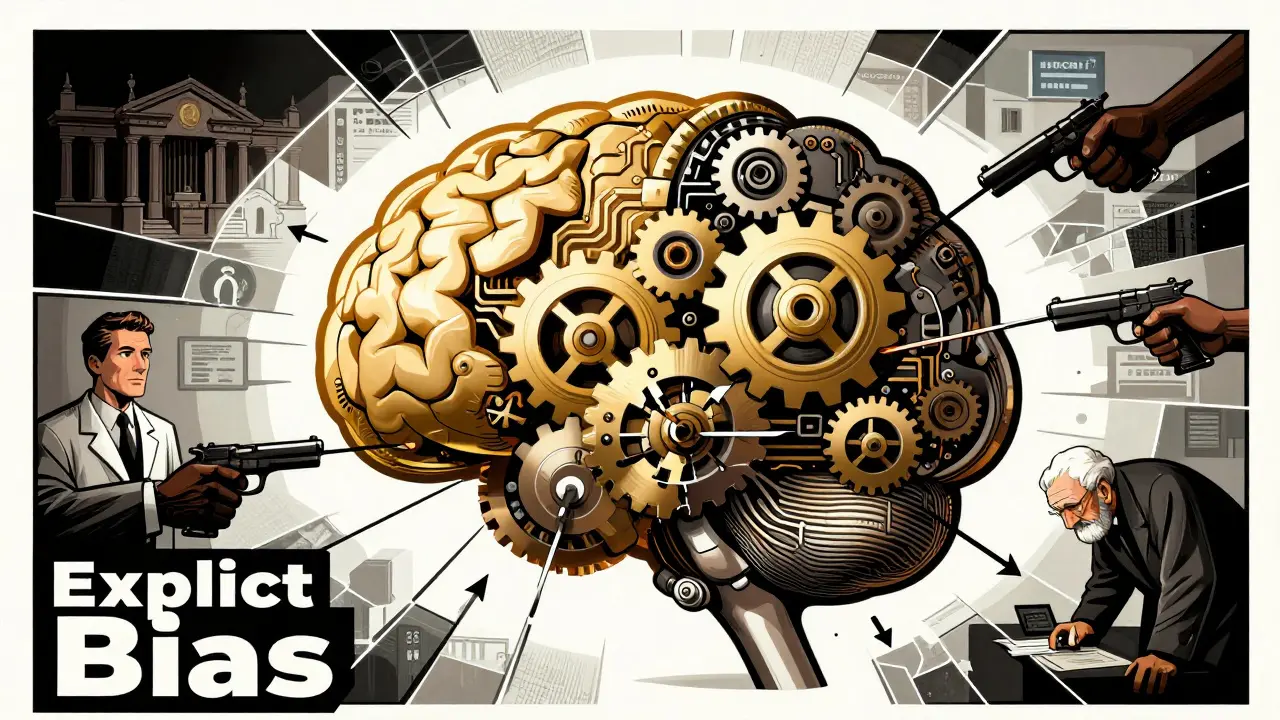
How to Detect Implicit vs Explicit Bias in Large Language Models
Large language models can appear fair but still harbor hidden biases. Learn how to detect implicit vs explicit bias using proven methods, why bigger models are often more biased, and what companies are doing to fix it.