
Image-to-Text in Generative AI: Descriptions, Alt Text, and Accessibility
Explore how image-to-text generative AI transforms visual data into accessible alt text, balancing automation benefits with accuracy limitations.
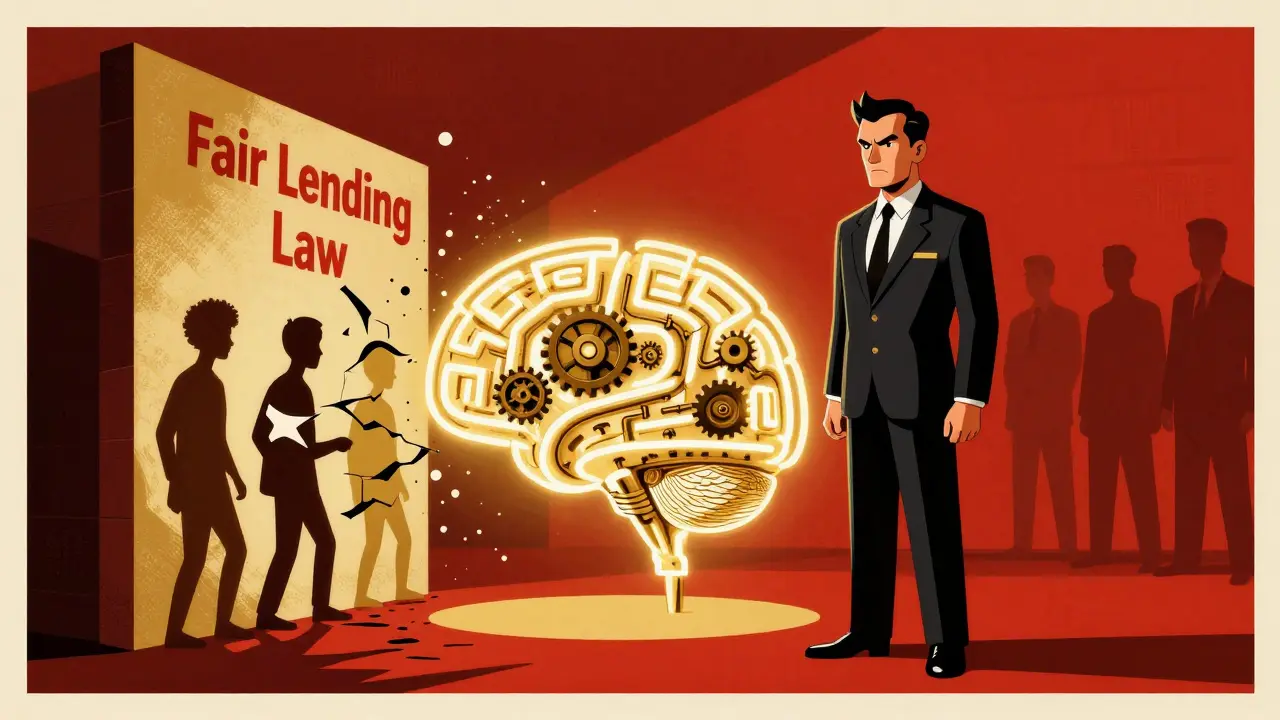
Financial Services Rules for Generative AI: Model Risk Management and Fair Lending
Generative AI in finance must follow strict Model Risk Management and fair lending rules. Learn how compliance-grade systems prevent bias, ensure accountability, and meet FINRA, SEC, and CFPB requirements in 2026.

Ethical Use of Synthetic Data in Generative AI: Benefits and Boundaries
Synthetic data enables privacy-preserving AI training but carries hidden ethical risks like bias amplification and accountability gaps. Learn how to use it responsibly with validated standards and transparent governance.

Designing Multimodal Generative AI Applications: Input Strategies and Output Formats
Multimodal generative AI lets systems understand and respond to text, images, audio, and video together. Learn how to design input strategies and output formats that make these apps intuitive, accurate, and truly useful.
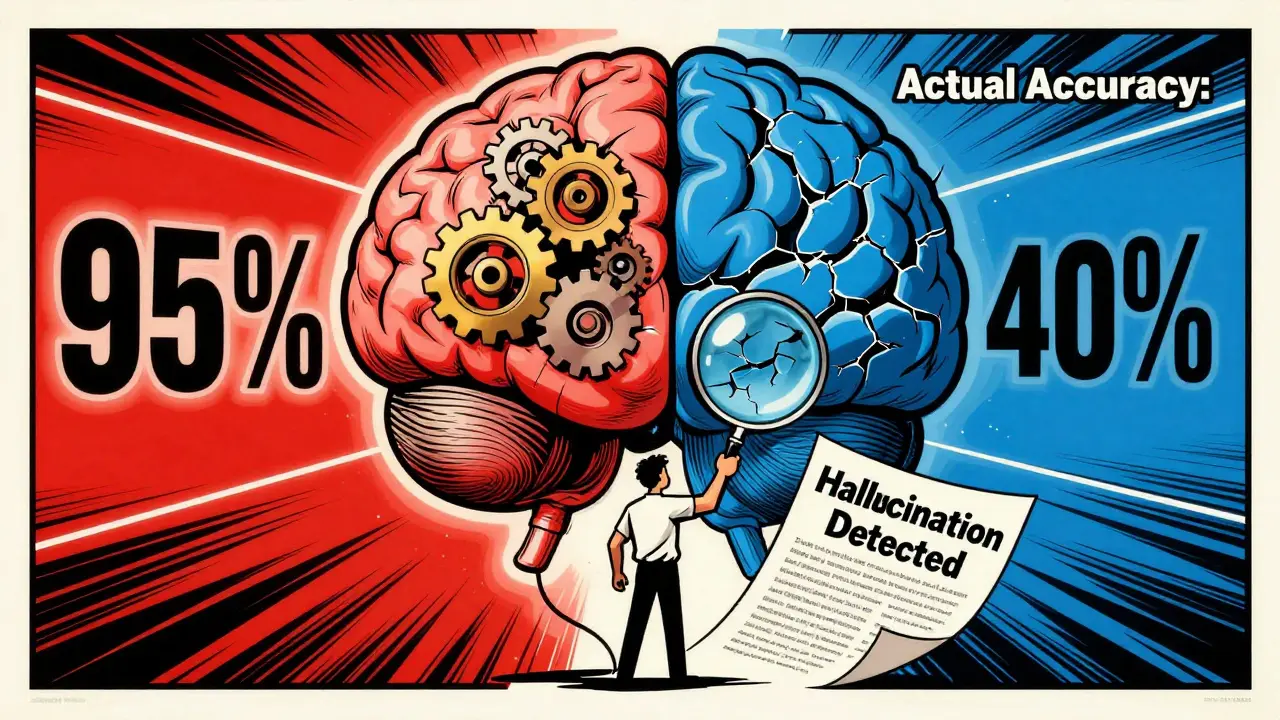
Calibrating Generative AI Models to Reduce Hallucinations and Boost Trust
Calibrating generative AI models ensures their confidence levels match real accuracy, reducing hallucinations and building trust. Learn how new techniques like CGM, LITCAB, and verbalized confidence make AI more honest and reliable.

Interactive Clarification Prompts in Generative AI: Asking Before Answering
Interactive clarification prompts help AI systems ask smart questions before answering, reducing hallucinations and improving accuracy. This approach turns vague requests into precise, useful outputs by uncovering hidden context.

Life Sciences Research with Generative AI: Protein Design and Literature Reviews
Generative AI is revolutionizing life sciences by designing custom proteins from scratch and transforming how researchers review scientific literature. This technology enables function-first engineering of proteins that never existed in nature, accelerating drug discovery and gene therapy development.

How AI High Performers Capture Value from Generative AI: Workflow Redesign and Scaling
AI high performers don't automate-they redesign workflows. Discover how companies like Klarna, Colgate, and Gazelle cut costs, boosted productivity, and scaled AI by focusing on one broken task at a time.

Self-Attention and Positional Encoding: How Transformer Architecture Powers Generative AI
Self-attention and positional encoding are the core innovations behind Transformer models that power modern generative AI. They enable machines to understand context, word order, and long-range relationships in text-making chatbots, code assistants, and content generators possible.

How Analytics Teams Use Generative AI for Natural Language BI and Insight Narratives
Analytics teams are using generative AI to turn data questions into instant, narrative-driven insights. Natural language BI lets anyone ask questions in plain English and get clear explanations-no coding needed. Here’s how it works, who’s using it, and what you need to know.