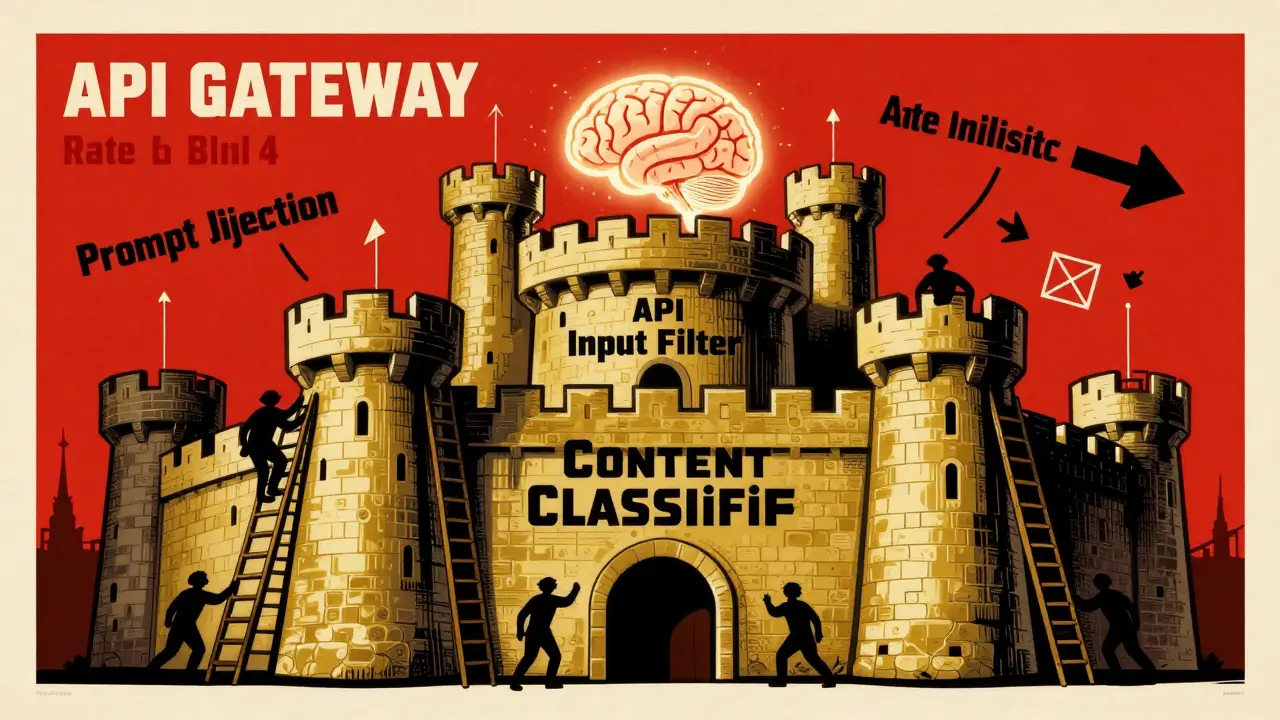
Safety Layers in Generative AI: Content Filters, Classifiers, and Guardrails Explained
Safety layers in generative AI-like content filters, classifiers, and guardrails-are essential for preventing harmful outputs, blocking attacks, and protecting data. Without them, AI systems become unpredictable and dangerous.

Financial Services Use Cases for Large Language Models in Risk and Compliance
Large Language Models are transforming risk and compliance in finance by automating fraud detection, document review, and regulatory monitoring. Learn how banks are using FinLLMs and hybrid AI systems to cut errors, save time, and stay compliant - without sacrificing control.
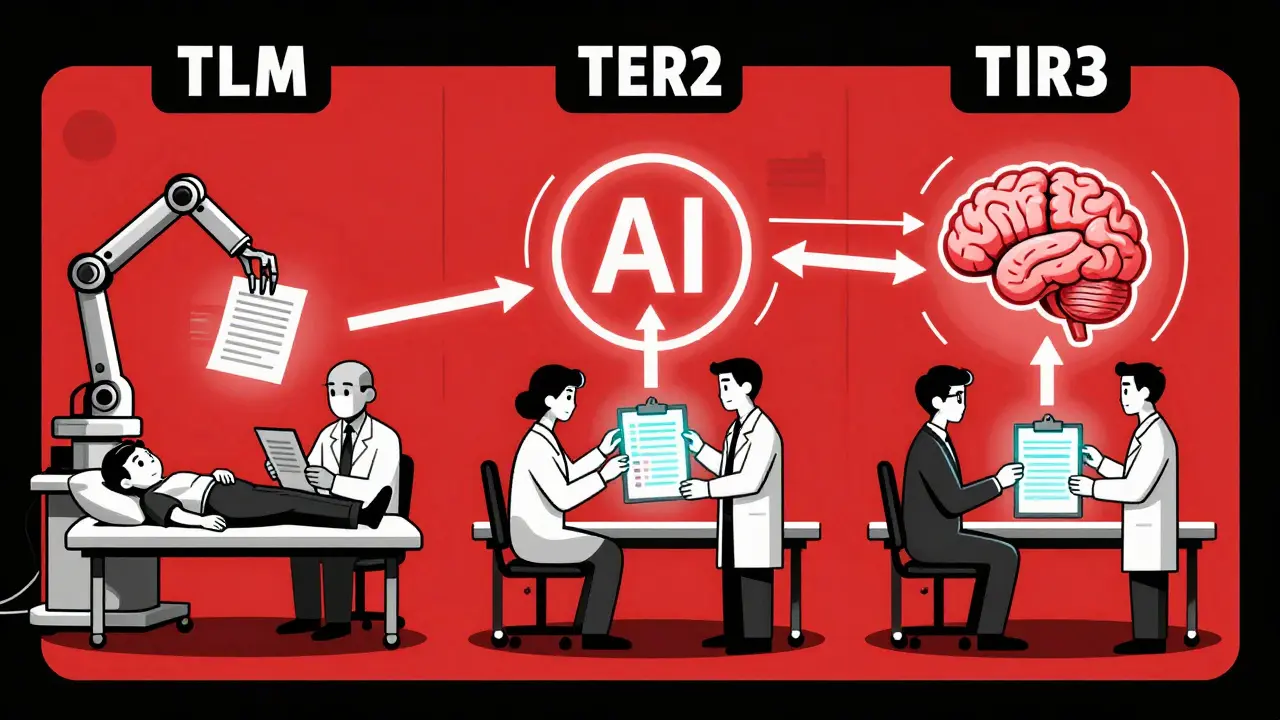
Human-in-the-Loop Evaluation Pipelines for Large Language Models
Human-in-the-loop evaluation pipelines combine AI speed with human judgment to ensure large language models produce accurate, safe, and fair outputs. Learn how tiered systems cut review time while improving quality.

Fintech Experiments with Vibe Coding: Mock Data, Compliance, and Guardrails
Vibe coding lets fintech teams build compliant tools in days, not weeks - using natural language instead of code. Learn how mock data, guardrails, and AI-driven development are reshaping finance - without sacrificing security.

What Counts as Vibe Coding? A Practical Checklist for Teams
Vibe coding lets teams build software by describing features in plain language instead of writing code. Learn the six strict rules that define it, which tools you need, where it works, where it fails, and how to use it safely without risking security or technical debt.

How Human Feedback Loops Make RAG Systems Smarter Over Time
Human feedback loops turn RAG systems from static tools into self-improving AI by learning from real user interactions. This approach boosts accuracy by up to 7%, reduces errors, and adapts to changing data-making it essential for any production RAG system.

Operating Model Changes for Generative AI: Workflows, Processes, and Decision-Making
Generative AI is transforming enterprise workflows by enabling adaptive, self-optimizing processes that replace rigid automation. Companies that redesign workflows around AI - not just layer it on top - see 20-30% productivity gains. This article breaks down how to build an AI-driven operating model.

Security Risks in LLM Agents: Injection, Escalation, and Isolation
LLM agents can access systems, execute code, and make decisions autonomously-but that makes them dangerous if not secured. Learn how prompt injection, privilege escalation, and isolation failures lead to breaches, and what actually works to stop them.

Rapid Mobile App Prototyping with Vibe Coding and Cross-Platform Frameworks
Vibe coding creates mobile app prototypes in hours, not weeks. Use tools like Lovable and Cursor with React Native or Flutter for quick validation. It's great for demos but needs professional rewrites for production. Learn how to start and avoid common pitfalls.

AI Auditing Essentials: Logging Prompts, Tracking Outputs, and Compliance Requirements
Learn how to effectively audit AI systems by logging prompts, tracking outputs, and meeting compliance requirements. Discover key technical standards, common pitfalls, and real-world strategies to ensure transparency and reduce legal risks.
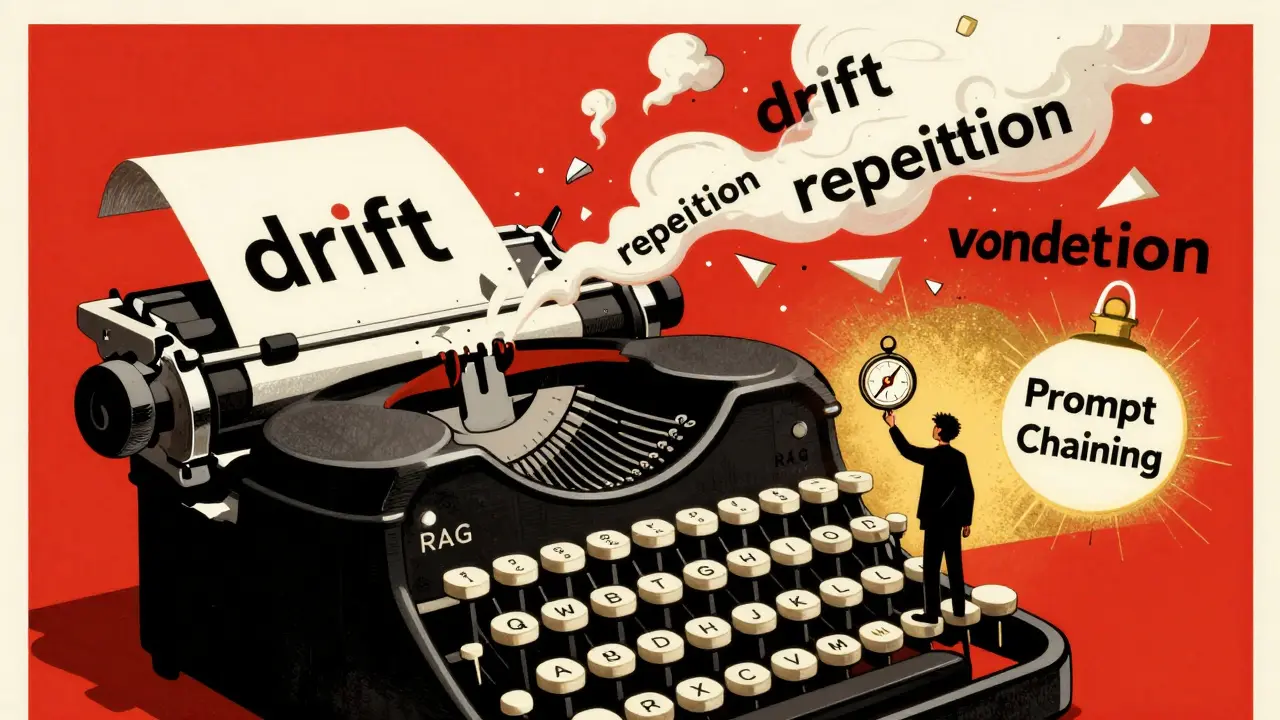
How to Generate Long-Form Content with LLMs Without Drift or Repetition
Learn how to use large language models to generate long-form content without drift or repetition. Discover practical techniques like RAG, temperature tuning, and chunked generation that actually work.

Few-Shot Prompting Patterns That Improve Accuracy in Large Language Models
Few-shot prompting improves large language model accuracy by 15-40% using just 2-8 examples. Learn the top patterns, when to use them, and how they outperform zero-shot and fine-tuning in real-world applications.